
63GSC11 Lottery – Explore Online Lottery Betting in 2026
Online lottery betting is a form of entertainment based on predicting numerical outcomes in scheduled prize draws. When exploring 63gsc11 lottery, users should understand number selection methods, result verification procedures, and payout structures associated with different betting formats. Unlike traditional ticket-based lotteries, digital environments may integrate various tools for tracking and verifying information. However, convenience should always be accompanied by transparency, data security, and responsible bankroll management. Understanding these essential principles helps participants recognize potential risks, evaluate available services objectively, and make informed decisions before engaging in online lottery activities.
Exploring Different 63GSC11 Online Lottery Formats
Technological developments have expanded how people access lottery information and participate in number prediction activities. Digital systems may provide drawing schedules, prize structures, and historical results through a unified interface.
How Online Lottery Games Operate
Online lottery betting involves selecting numerical predictions before a predetermined betting deadline. Each lottery format establishes specific rules regarding number combinations, selection ranges, and winning conditions.
A standard system should accurately record participation times, selected numbers, and corresponding wager amounts. Once a drawing is completed, registered predictions are compared against valid results to determine which entries meet the prize requirements.
When researching 63gsc11 lottery, users should verify information provided by the relevant operator before evaluating specific features.
Understanding how predictions are recorded and verified helps participants distinguish established procedures from unsupported promotional claims.
Popular Types of Lottery Result Predictions

The online lottery industry includes various prediction formats based on different result structures and prize calculation methods. Some products require participants to select complete number combinations, while others focus on particular digits or positions within a numerical sequence.
Computerized lotteries generally follow predefined selection rules and published drawing schedules. Meanwhile, certain lottery betting products may reference external drawing results to determine payouts.
When studying 63gsc11 lottery, readers should distinguish popular market categories from the actual services offered by a specific operator.
Each format may involve different probabilities, participation requirements, and payment conditions.
Clear explanations of these differences help users understand how individual lottery products function.
Differences Between Traditional and Online Lotteries
Traditional lotteries generally involve physical tickets, authorized distribution networks, and fixed drawing schedules. Participants retain their tickets to verify winning combinations and claim prizes according to established procedures.
In digital environments, prediction information may instead be recorded through electronic accounts. Participation histories, results, and financial transactions can be stored as digital records.
However, differences in accessibility do not automatically establish that every online lottery service operates legally.
Licensing requirements, operator identification, and local gambling regulations remain important considerations.
Users should independently verify these details before participating in any online lottery betting activity.
Understanding Lottery Betting Rules and Prize Calculations
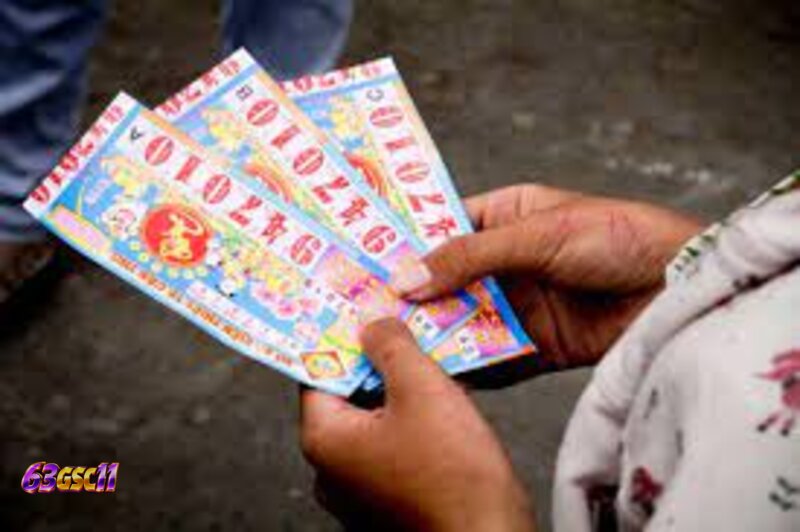
Understanding 63gsc11 lottery from an online betting perspective requires distinguishing three essential elements: prediction methods, winning probabilities, and result announcement procedures.
Number Selection Rules and Prediction Registration
Every lottery product establishes a valid numerical range and corresponding selection requirements. Depending on the rules, participants may need to predict an entire number combination or match specific elements of the final result.
Betting deadlines also play an important role. Predictions submitted after the designated closing time may be rejected or considered invalid.
When examining 63gsc11 lottery, users should pay attention to participation confirmation methods and procedures for correcting inaccurate information.
Another important principle involves understanding randomness.
Numbers that have appeared frequently in previous drawings do not necessarily have a greater chance of appearing again in an independent random draw.
Personal preferences and historical patterns cannot guarantee successful predictions.
Calculating Winning Probabilities and Payout Rates
Winning probability depends on the total number of possible outcomes and the conditions required for a prediction to qualify for a prize.
For example, if a lottery randomly generates equally likely results between 00 and 99, the probability of predicting one specific result is 1 in 100, equivalent to 1%.
Payout rates, however, describe the financial reward associated with a successful prediction. These two concepts should not be confused.
In online lottery betting, an attractive payout does not necessarily indicate a high probability of winning.
Participants should examine winning odds, wager amounts, and applicable payment conditions together.
Understanding the mathematical relationship between probability and rewards provides a more realistic perspective on potential outcomes.
Lottery Draw Procedures and Accurate Result Verification

Lottery results should be announced according to established schedules and clearly defined verification procedures.
Published information commonly includes drawing times, reference numbers, winning combinations, and corresponding prize categories.
Accurate verification requires consistency between registered prediction records and officially announced results.
If discrepancies occur, transaction histories and participation confirmations may provide important evidence for resolving disputes.
For 63gsc11 lottery, users should prioritize independently verifiable results rather than relying exclusively on unconfirmed announcements.
Historical drawing data can be useful for reference and record verification, but previous outcomes cannot guarantee accurate predictions of future independent draws.
Essential Factors When Evaluating 63GSC11 Lottery
Beyond prediction mechanisms, online lottery betting involves legal considerations, personal information, and financial risks. These factors deserve careful evaluation before participating in any real-money activity.
Transparency of Lottery Draws and Result Data
A transparent lottery service should clearly disclose its participation rules, result sources, drawing schedules, and operational responsibilities.
Licensing information should also be verifiable through the appropriate regulatory authority.
Claims about unusually high winning rates, guaranteed results, or official authorization require reliable supporting evidence.
When evaluating 63gsc11 lottery, readers should distinguish marketing statements from independently verifiable information.
Access to historical results and documented complaint procedures may also help users assess operational transparency.
If essential information about an operator cannot be confirmed, its credibility should remain uncertain rather than being assumed.
Account Security and Transaction History Management
Online services involving financial transactions should establish appropriate measures to protect login credentials and personal information.
Strong passwords, additional authentication methods, and secure connections represent basic protective practices.
Transaction histories should clearly display processing times, payment amounts, and relevant transaction statuses.
These records allow users to review account activity and identify potential discrepancies.
When researching 63gsc11 lottery, individuals should avoid submitting identification documents or payment information before verifying the receiving organization.
Privacy policies should also explain why personal information is collected, how long it is retained, and how it may be processed.
Clear security policies are important for protecting users against unauthorized access and potential misuse of personal data.
Bankroll Management and Financial Risk Prevention
Lottery games depend on probability, meaning no prediction strategy can guarantee a winning outcome.
Responsible bankroll management helps participants reduce the financial consequences of unsuccessful predictions.
A practical approach involves establishing a fixed entertainment budget and avoiding the use of borrowed funds or money reserved for essential expenses.
Increasing wager amounts to recover previous losses can create additional financial difficulties.
When exploring 63gsc11 lottery, users should recognize that betting involves a genuine risk of losing money.
Gambling should therefore be treated as an optional entertainment expense rather than a reliable source of income.
Recognizing warning signs such as excessive spending, emotional betting, or difficulty stopping is essential for maintaining responsible participation with 63gsc11.
Conclusion
Understanding 63gsc11 lottery requires knowledge of prediction mechanisms, winning probabilities, and result verification procedures. Beyond entertainment, transparency, data security, and financial responsibility remain essential considerations. Users should independently verify operator information, understand applicable rules, and recognize the risks associated with online lottery betting before making financial commitments.